
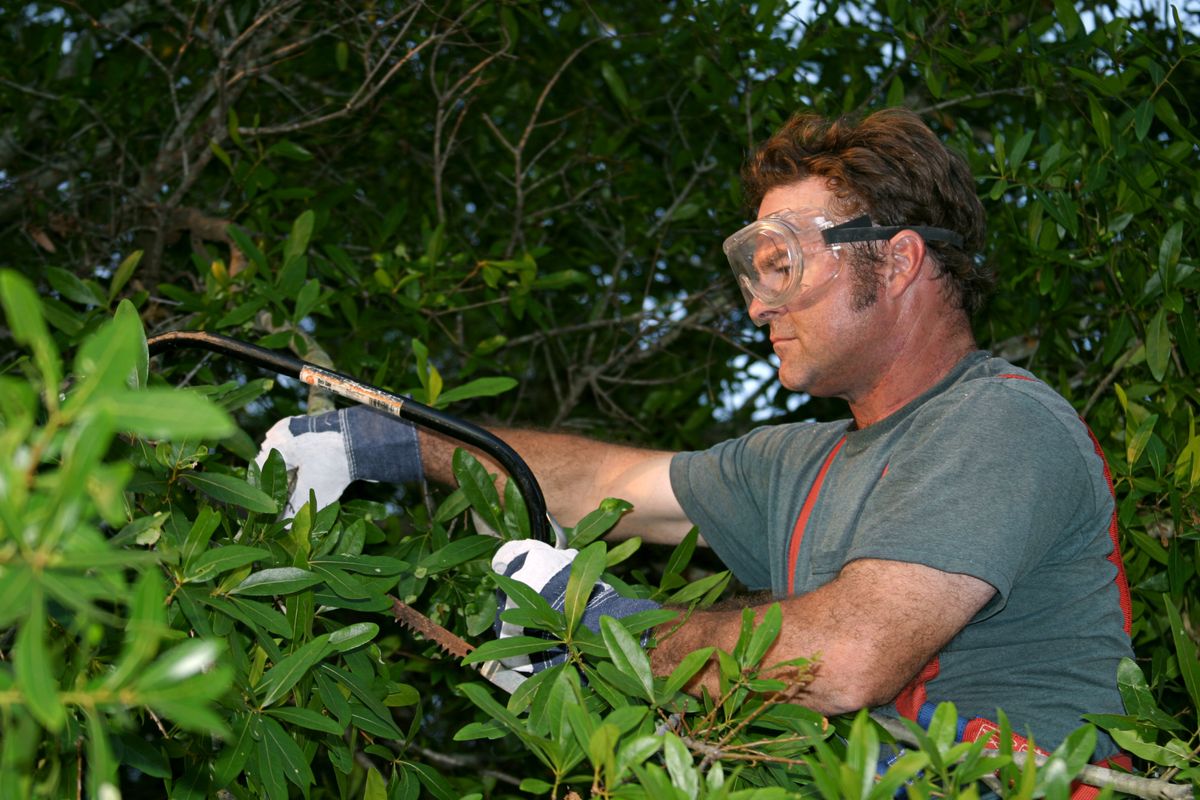
Knowing when to prune your trees is crucial for maintaining their health, appearance, and safety. Different tree species have different needs, and pruning at the wrong time of year can stress the tree, making it vulnerable to pests and diseases. This guide from Evergreen Experts will help you understand the best time to prune various types of trees, ensuring they thrive in your landscape. Our team of professionals is dedicated to providing top-notch tree trimming and pruning services, so you can rest assured your trees are in good hands.
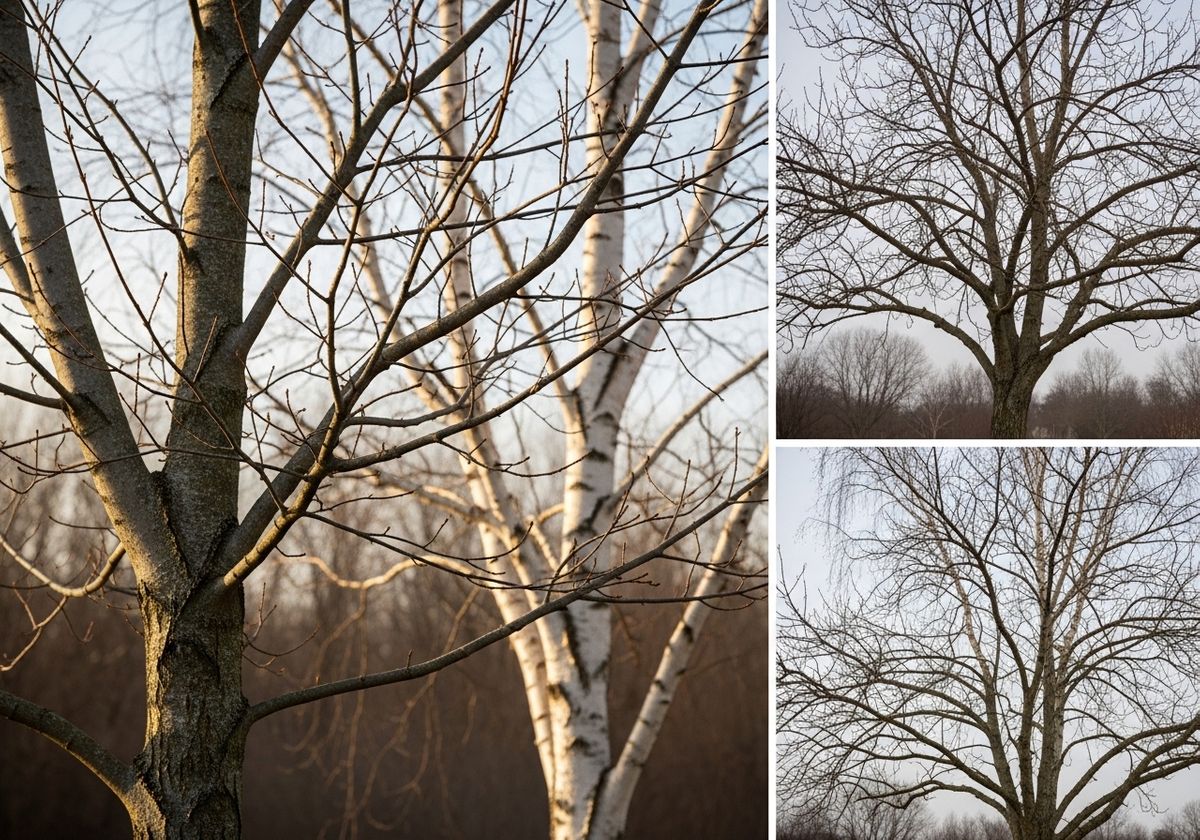
Deciduous Trees
Most deciduous trees, those that lose their leaves in the fall, are best pruned during the dormant season, which is typically late winter or early spring. This is because the tree is not actively growing, so pruning cuts will heal more quickly. Additionally, it's easier to see the tree's structure without leaves, making it easier to identify branches that need to be removed. Common deciduous trees include:
Maple: Prune in late winter or early spring to avoid excessive sap flow.
Oak: Prune in late winter to reduce the risk of oak wilt.
Birch: Prune in late summer or early fall to minimize sap bleeding.
Fruit Trees: Prune in late winter or early spring to encourage fruit production.
Evergreen Trees
Evergreen trees, which retain their foliage year-round, can be pruned at different times depending on the species. In general, light pruning can be done anytime, but major pruning is best done during the dormant season or shortly after new growth has emerged. Common evergreen trees include:
Pine: Prune in late winter or early spring before new growth begins.
Spruce: Prune in late winter or early spring to maintain shape.
Arborvitae: Prune in late spring or early summer after the initial growth spurt.
Fir: Prune in late winter or early spring to remove dead or damaged branches.
Flowering Trees
Flowering trees require special consideration when it comes to pruning. The timing depends on whether the tree blooms on old wood (growth from the previous season) or new wood (growth from the current season). Here are some examples:
Old Wood Bloomers: Prune immediately after flowering to avoid removing next year's flower buds. Examples include azaleas, rhododendrons, and forsythia.
New Wood Bloomers: Prune in late winter or early spring before new growth begins. Examples include crape myrtles and butterfly bushes.
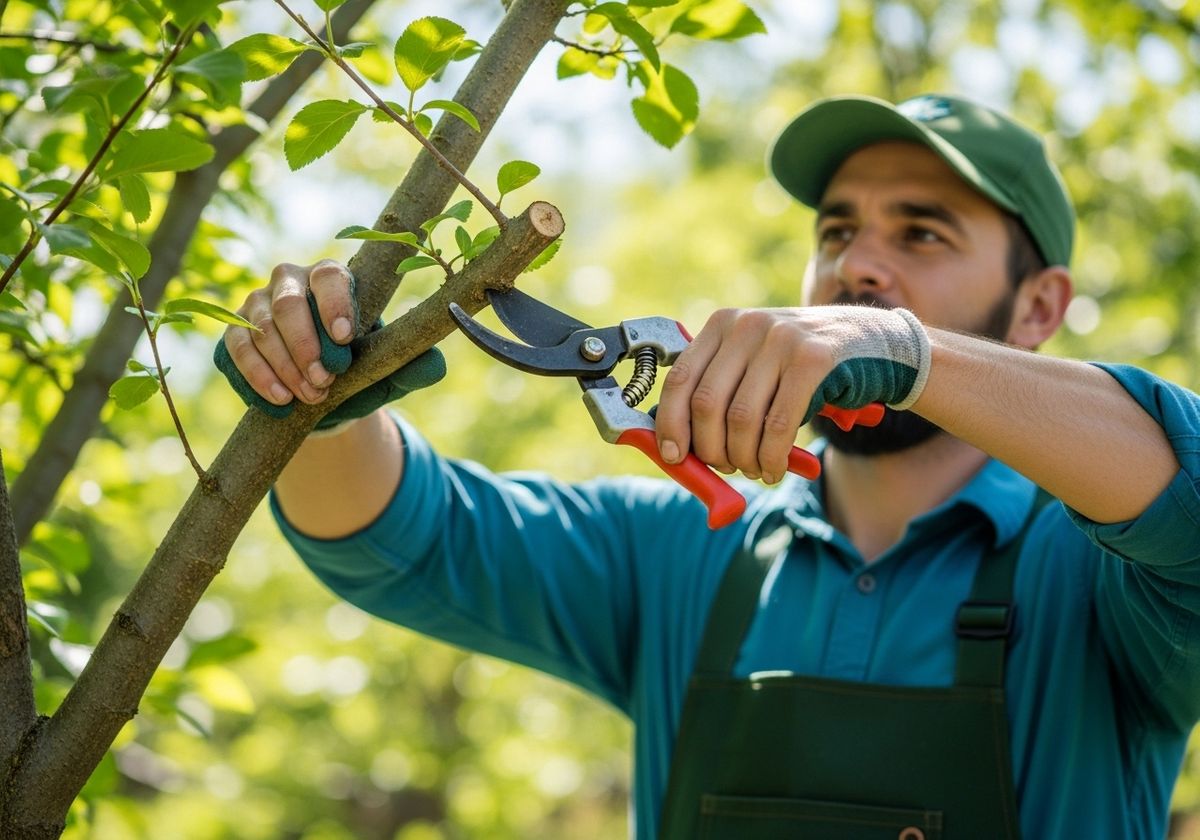
Why Proper Pruning Matters
Proper pruning is essential for the health and longevity of your trees. It helps to:
Remove dead, damaged, or diseased branches: This prevents the spread of decay and disease to healthy parts of the tree.
Improve air circulation and sunlight penetration: This promotes healthy growth and reduces the risk of fungal diseases.
Maintain tree shape and size: This enhances the aesthetic appeal of your landscape and prevents trees from becoming overgrown.
Enhance safety: Removing weak or hazardous branches reduces the risk of property damage or personal injury.
The Importance of Professional Tree Care
While some pruning tasks can be done by homeowners, it's often best to hire a certified arborist for major pruning projects. A certified arborist has the knowledge, skills, and equipment to prune trees safely and effectively. They can also assess the overall health of your trees and recommend appropriate tree trimming and pruning services. Additionally, they can provide guidance on tree removal and stump grinding if necessary.
Knowing when to prune different tree species is essential for maintaining their health and beauty. By following this seasonal guide, you can help your trees thrive for years to come. Remember, proper pruning promotes healthy growth, enhances safety, and improves the aesthetic appeal of your landscape. If you're unsure about how to prune your trees, don't hesitate to contact us at Evergreen Experts. Our landscaping company offers expert tree trimming and pruning services to keep your trees looking their best. Contact us today for a consultation and let our team of certified arborist help you care for your trees!