
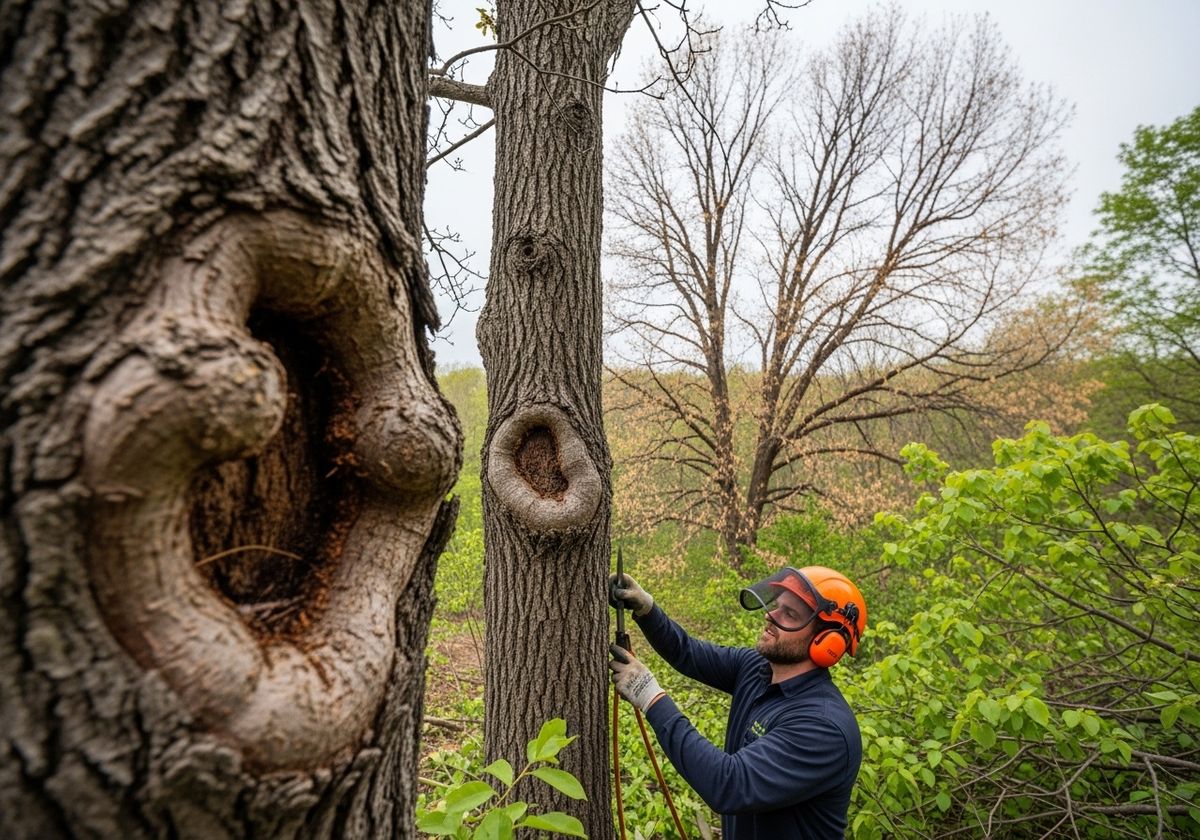
Maintaining healthy trees is essential for the environment and the beauty of your property. Just like any living organism, trees can get sick. Early detection is key to preventing diseases from spreading and potentially causing irreparable damage. This guide will help you recognize the signs of a sick tree, so you can take timely action to preserve its health.
Identifying Common Signs of Tree Disease
Spotting a sick tree involves observing several key indicators. Here are some of the most common signs:
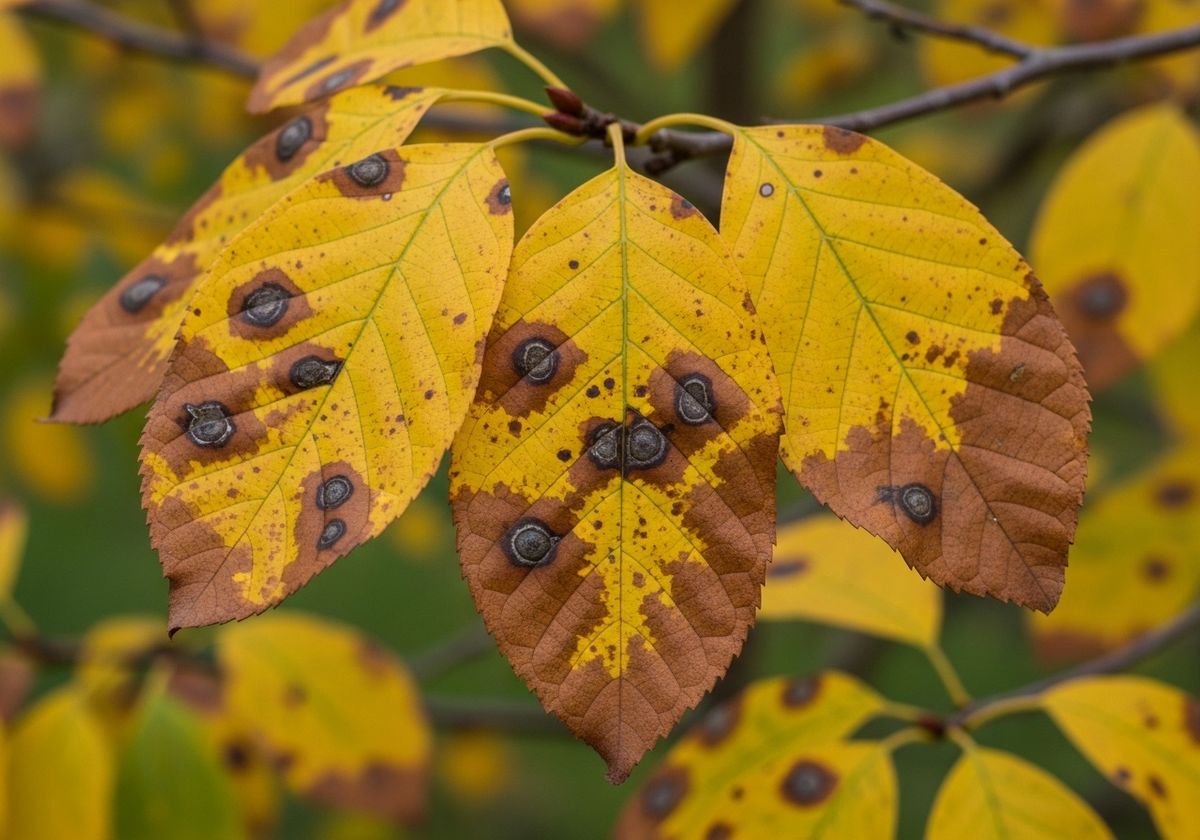
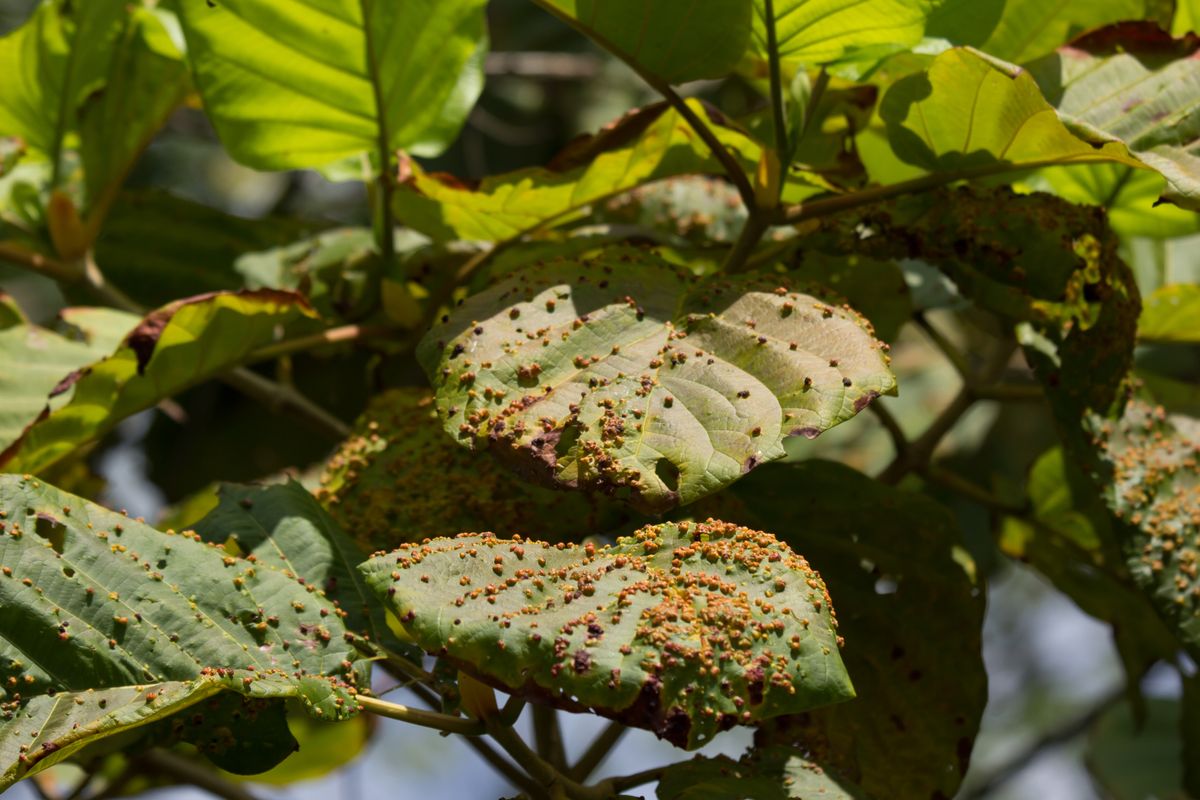
Unusual Leaf Discoloration or Spotting: Healthy leaves are typically vibrant and uniform in color. Keep an eye out for yellowing, browning, or unusual spots on the leaves, as these can indicate fungal infections, nutrient deficiencies, or pest infestations.
Branch Dieback: Branch dieback is when the tips of branches start to die off. This can be a sign of fungal diseases, root problems, or environmental stress. If you notice several branches dying back, it's essential to investigate further.
Trunk Cavities or Wounds: Open wounds or cavities on the trunk can provide entry points for decay-causing organisms and pests. Inspect the trunk for any signs of damage, such as cracks, holes, or exposed wood.
Abnormal Growth Patterns: Look for any unusual growths, such as galls, burls, or mushrooms, on the trunk, branches, or roots. These growths can be signs of fungal infections or other diseases that disrupt the tree's normal growth patterns.
Weak or Brittle Branches: Healthy branches should be strong and flexible. If you notice branches that are weak, brittle, or easily broken, it could indicate decay or structural weakness caused by disease.
What to Do If You Suspect Your Tree Is Sick
If you notice any of the signs mentioned above, it's essential to take action promptly. Here are some steps you can take:
Consult a Certified Arborist: A certified arborist can accurately diagnose the problem and recommend appropriate treatment options. They have the knowledge and expertise to assess the tree's condition and develop a plan to restore its health.
Proper Tree Trimming and Pruning Services: Removing dead, diseased, or damaged branches can help prevent the spread of infection and improve the tree's overall health. Proper pruning techniques are essential to avoid causing further damage.
Consider Tree Removal: In some cases, if the tree is beyond saving, it may be necessary to consider tree removal to prevent the disease from spreading to other plants in the area.
Stump Grinding: After tree removal, stump grinding can help remove the remaining stump and prevent regrowth or pest infestations.
Recognizing the signs of a sick tree early on can save you time, money, and the heartache of losing a valuable part of your landscape. By staying vigilant and taking proactive measures, you can help ensure the health and longevity of your trees. If you observe any of these signs, consider reaching out to a professional landscaping company with a certified arborist on staff. At Evergreen Experts, our team of experts can assess your trees and provide the necessary tree trimming and pruning services or, if needed, tree removal, to keep your landscape thriving. Contact us today for a consultation and let us help you maintain a healthy and beautiful landscape.